

Share this
by Claudia Jakubowski on Sep 23, 2021, 9:20:28 AM
Buying a used caravan can be a smart way to get on the road sooner without paying the full price of a brand-new model. For many Australian buyers, the second-hand market offers better value, more choice, and access to fitted extras that would otherwise cost more to add later.
At the same time, a used caravan purchase requires more due diligence. Condition, paperwork, ownership history, towing suitability, and aftermarket modifications all need careful review before you commit.
In this guide, we explain what to look for when buying a used caravan in 2026, including how to inspect the van, what to check in a private sale, how to assess upgrades, and why it can help to organise your budget and finance before you start shopping.
Why more Australians are considering used caravans in 2026
Used caravans continue to appeal to buyers who want flexibility, value, and a wider range of layouts and setups than they may find in the new market. In 2026, that appeal is even stronger for buyers comparing price, features, and availability.
A well-maintained used caravan may give you access to practical inclusions such as solar, batteries, upgraded suspension, annexes, water storage, or towing accessories without paying to fit everything from scratch. However, these extras only add value when they are in good condition, properly installed, and supported by the right documentation.
That is why buying a used caravan today is not just about finding a good floorplan. It is about checking the overall package carefully, including the van itself, the fitted equipment, the paperwork, and the total cost of ownership.
/Things-to-think-about--before-you-buy-a-used-caravan-2.png?width=1200&name=Things-to-think-about--before-you-buy-a-used-caravan-2.png)
How to set your budget before buying a used caravan
Before inspecting listings, decide what you can afford comfortably and what type of travel you actually plan to do. A used caravan that looks attractively priced may still require extra spending on tyres, servicing, brake work, electrical repairs, storage, or towing upgrades.
Your budget should account for more than the purchase price. It should also include:
- registration and transfer costs
- insurance
- servicing and repairs
- replacement tyres or batteries if needed
- storage costs
- accessories or modifications you may want after purchase
- any towing-related upgrades required for your vehicle
It also helps to separate your wishlist from your must-haves. For example, an ensuite, off-grid setup, bunk layout, or air conditioning may be important, but not every feature will be essential for the way you travel.
How to match a used caravan to your tow vehicle
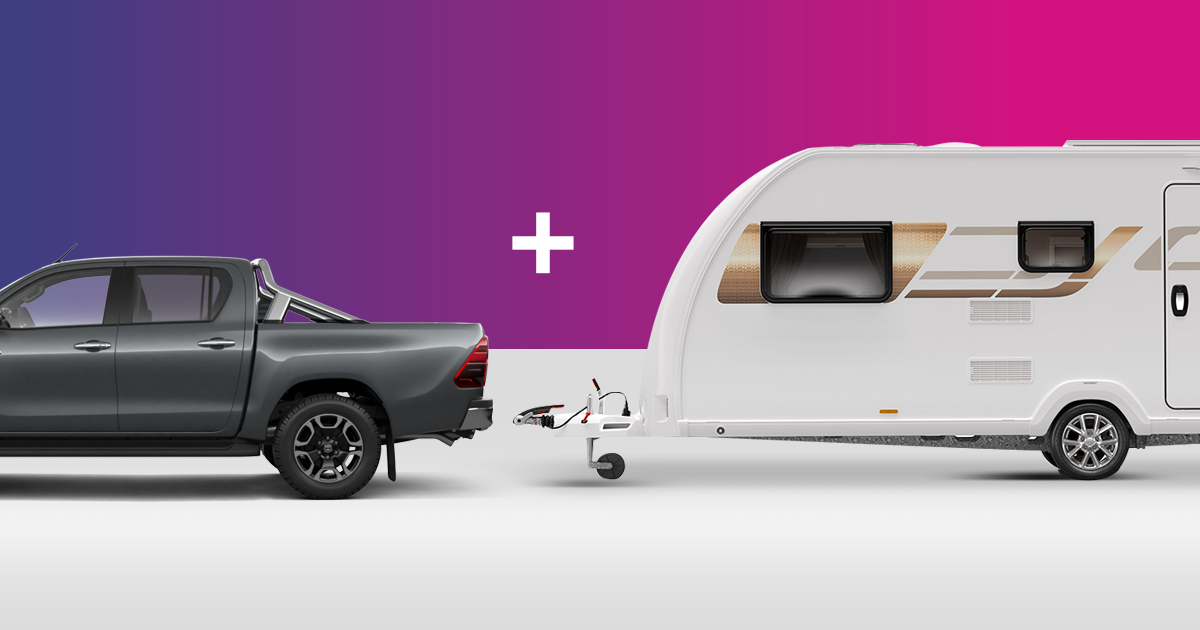
One of the most important checks before buying any caravan is whether your tow vehicle is suitable for the van you are considering. This is especially important in the used market, where caravans may have added accessories, batteries, water tanks, or aftermarket equipment that increase weight.
Start by checking your vehicle manufacturer’s towing capacity and payload limits. Then compare those figures against the caravan’s key weight ratings. Do not rely on assumptions or seller estimates. Confirm the caravan’s specifications and consider how much extra weight will be added once the van is loaded with water, gas bottles, food, clothing, and personal gear.
If your vehicle is not a good match, the caravan may not be practical or safe for your intended travel. It is better to identify that early than after you have paid a deposit.
Where to buy a used caravan: dealer or private sale?
Used caravans are commonly purchased through dealers, online listings, and private sellers. Each path has different advantages and trade-offs.
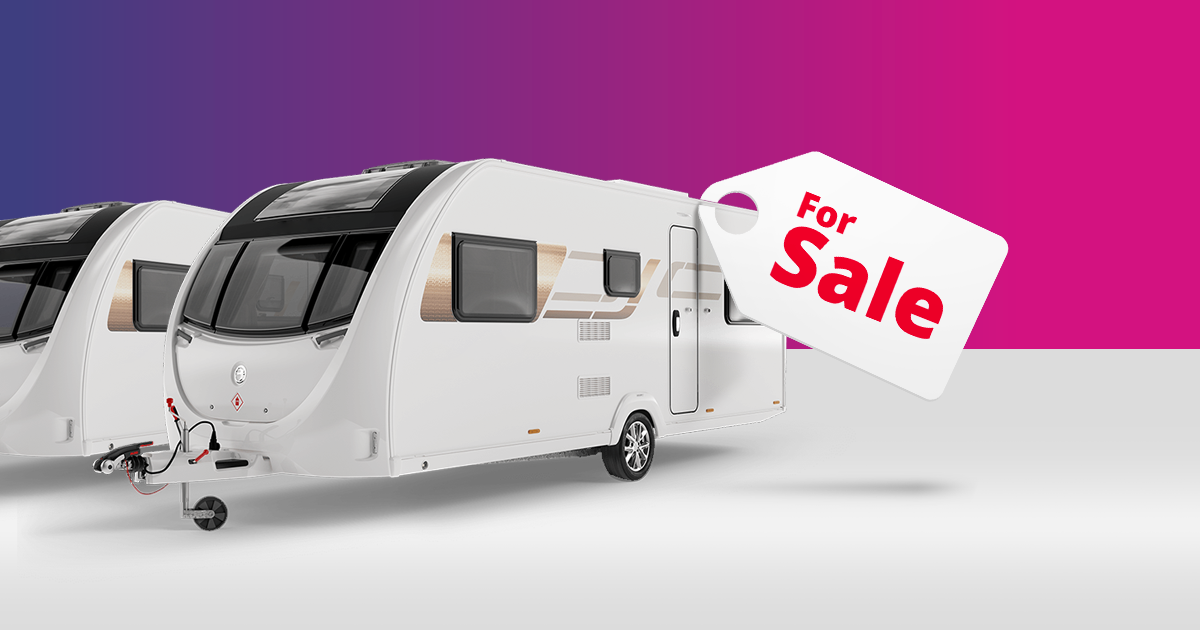
Buying through a dealer
Buying through a dealer can provide a more structured process, and in some cases the caravan may come with servicing, warranty support, or additional checks before handover. This may provide more confidence for buyers who are new to caravanning or want a more straightforward transaction.
However, dealer pricing is often higher than a comparable private sale, so it is important to assess whether the added support justifies the difference.

Buying through a private seller
A private sale may offer stronger value and more room for negotiation, especially if the caravan includes extras the seller no longer needs. This can be appealing for buyers looking for a well-equipped van at a lower overall cost.
The trade-off is that the buyer usually needs to do more due diligence. You will need to verify ownership details, inspect the caravan carefully, review its service history, and confirm whether any finance is still owing before proceeding.
Used caravan inspection checklist: what to check before you buy
When inspecting a used caravan, it helps to follow a structured checklist so that you do not get distracted by presentation alone.
Check for water damage and signs of damp
Damp can lead to serious structural and cosmetic issues in a caravan, so this should be one of your first checks. Inspect around windows, roof lights, doors, external hatches, cupboards, and joins for staining, discolouration, soft spots, swelling, mould, or musty smells.
Even a caravan that looks clean and tidy at first glance may have hidden moisture issues, particularly around seals or previous repair points.
Inspect the chassis, frame, underbody and suspension
Look underneath the caravan for rust, corrosion, damage, or evidence of impact. Pay close attention to the chassis, suspension components, mounts, and any signs of repairs that may need further explanation.
If the caravan has been marketed as suitable for rougher touring or off-road use, inspect these areas even more carefully. Heavier use can place more stress on the underbody and running gear.
Check tyres, wheels and braking components
Tyres may look acceptable from a distance while still being too old or worn for safe travel. Check tread, sidewalls, cracking, uneven wear, and manufacturing dates. Also inspect the wheels, hubs, and braking components where visible.
If the tyres are aged or the braking system appears neglected, factor replacement or servicing into your budget immediately.
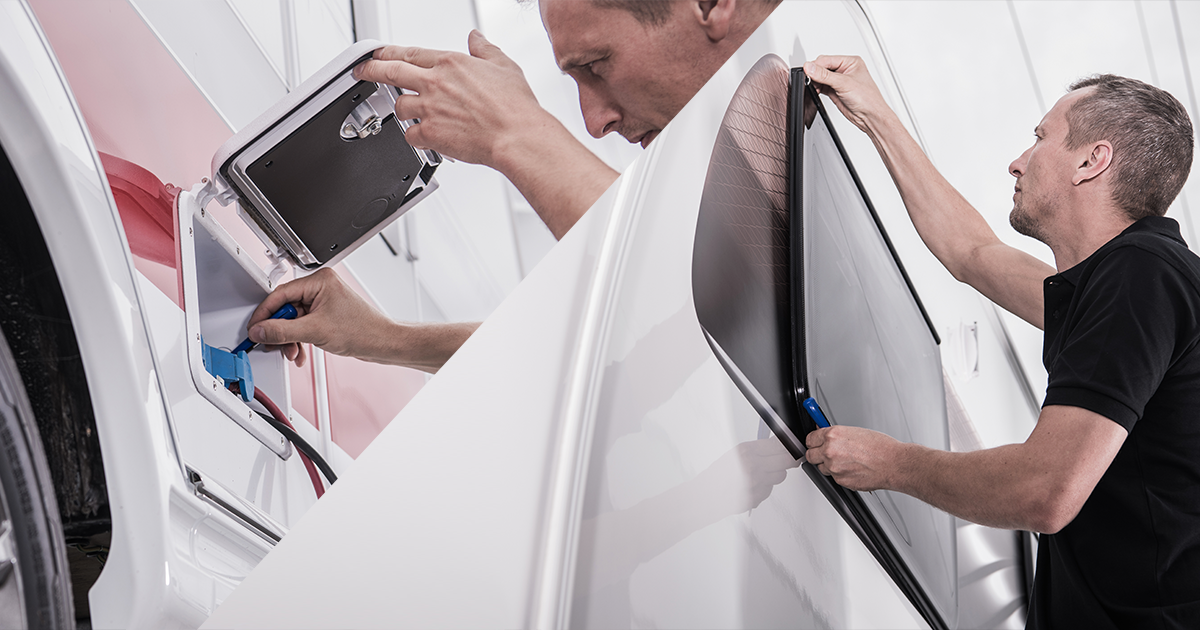
Test doors, windows, locks and seals
Open and close all doors, windows, hatches, locks, and catches. These should operate smoothly and seal properly. Damaged locks, broken flyscreens, cracked windows, or failed seals may not always be expensive individually, but they can indicate a caravan that has not been maintained consistently.
Check the interior fit-out and appliances
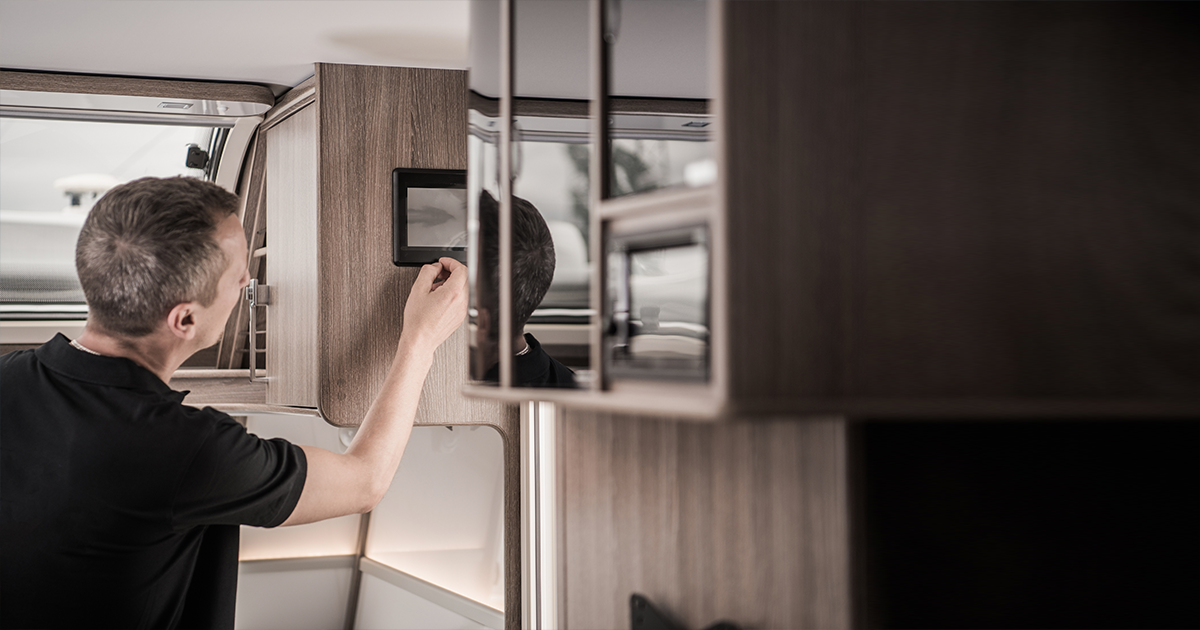
Inside the van, inspect the kitchen, bathroom, seating, sleeping areas, cupboards, flooring, and soft furnishings. Look for wear, sagging, broken hinges, water staining, odours, poor repairs, or anything that suggests underlying damage.
Test appliances and systems where possible, including lights, water pumps, hot water, fridge, cooktop, air conditioning, and power outlets. A clean interior is positive, but functionality matters more than presentation.
How to check paperwork, VIN and ownership details
Paperwork checks are just as important as physical inspection, particularly when buying from a private seller.
Before moving forward, review the caravan’s documentation carefully and confirm that the key details are consistent across the van and the paperwork.
You should check:
- the VIN on the caravan matches the registration documents
- the seller’s details align with the ownership records available to them
- service and repair records are available where relevant
- manuals, compliance plates, and warranty information are present if applicable
- gas and electrical compliance paperwork is available where fitted systems require it
If details do not line up, ask questions before paying a deposit.
How to approach a private sale more safely
Private sales can offer great value, but they also require more caution.
Before paying for a used caravan through a private seller, take time to verify that the caravan is genuinely owned by the seller and that there are no outstanding issues affecting the transfer. If finance is still owing on the caravan, that needs to be resolved correctly as part of settlement.
It is also sensible to keep a written record of what is included in the sale. If the seller has advertised solar, lithium batteries, an awning, portable toilets, towing mirrors, anti-sway systems, or other accessories, confirm those items clearly before settlement.
A careful buyer does not only inspect the van. They also verify the transaction itself.
What to know about off-grid upgrades and aftermarket modifications
One of the biggest differences in the used caravan market in 2026 is the number of vans being sold with upgraded touring setups. In many cases, buyers are not just purchasing a caravan. They are purchasing a caravan plus a fitted package of electrical, off-grid, comfort, and towing additions.
That can be a real advantage, but only if the equipment is suitable for your needs and installed properly.
Check solar, battery and power systems
If the caravan includes solar panels, lithium batteries, inverters, battery chargers, or power management systems, ask what has been fitted, when it was installed, and whether there is supporting paperwork. A quality off-grid setup can add convenience and value, but electrical work should be assessed carefully.
Review water, plumbing and gas systems
Larger water tanks, upgraded pumps, filtration systems, hot water units, and gas appliances may improve touring comfort, especially for longer trips. However, the more systems a caravan has, the more important it becomes to confirm they are operating correctly and have been maintained.
Inspect suspension, hitches and off-road equipment
If a seller highlights upgraded suspension, stone protection, all-terrain tyres, DO35 hitches, or other towing and off-road modifications, inspect them closely. These features may suit your intended travel, but they also affect weight, wear, and service requirements.
Confirm what is included in writing
Awnings, annexes, portable power equipment, Starlink setups, bike racks, storage boxes, and other extras can influence value. Make sure any inclusions are recorded clearly so there is no confusion at handover.
The total cost of owning a used caravan
A used caravan may cost less to buy than a new one, but that does not automatically mean it will be cheaper overall. Before you commit, estimate the likely ownership costs over the first year.
These may include:
- registration and transfer fees
- insurance premiums
- servicing and maintenance
- replacement batteries or tyres
- brake, bearing, or suspension work
- storage or security costs
- electrical or plumbing repairs
- upgrades you need to make the van suitable for your travel plans
This step helps you compare vans more realistically. A slightly more expensive caravan in better condition may represent better value than a cheaper one that needs immediate work.
/Ausloans%20blog%20images%20(2020)/caravan%20show.png?width=1200&height=630&name=caravan%20show.png)
Should you arrange used caravan finance before shopping?
Many buyers choose to organise finance before shopping for a used caravan so they can understand their likely budget, narrow their search, and move more confidently when they find the right van.
This can be especially helpful when you are looking at private sales, older caravans, or vans with fitted extras, as lender suitability can vary depending on the age, condition, value, and overall setup of the asset.
Rather than leaving finance to the final stage, it can make sense to understand your borrowing capacity and expected repayments early. That gives you a clearer view of what is practical before you start negotiating.
If you want to compare options for a used caravan purchase, explore our caravan finance options. If you have questions about approvals, deposits, rates, or how the process works, see our caravan finance FAQs.
Common mistakes to avoid when buying a used caravan
Even experienced buyers can make mistakes when they move too quickly or focus on the wrong details. Some of the most common issues include:
- buying based on appearance rather than condition
- overlooking towing suitability
- failing to inspect the van thoroughly for damp or structural wear
- assuming upgrades automatically add value
- not confirming what accessories are included in the sale
- skipping paperwork and ownership checks
- underestimating insurance, maintenance, and repair costs
- arranging finance too late in the process
A measured buying process usually leads to a better long-term outcome than rushing into the first caravan that looks appealing online.
/Ausloans%20blog%20images%20(2020)/dream%20caravan.png?width=1200&height=630&name=dream%20caravan.png)
Final thoughts
Buying a used caravan can be an excellent way to start travelling sooner, access more features for your budget, and find a setup that suits the way you plan to tour. The key is to treat the purchase as more than a simple inspection.
By checking the caravan’s condition, verifying paperwork, reviewing fitted upgrades carefully, and understanding the full cost of ownership, you can approach the used market with far more confidence.
And if finance is likely to form part of your purchase, it helps to organise that side early so your budget is clear before you begin comparing vans.
Check your used caravan finance options before you start shopping. Compare suitable options, understand your likely budget, and move forward with more confidence through our caravan finance page.
